

I’ve spent two decades helping founders turn hiring headaches into growth stories. In that time, one truth always hits home: if you rely only on applicants who click “Apply,” you are handing the best people to your competitors on a silver platter.
Great companies win because they learn to balance two very different talent pools – active candidates who are looking today and passive candidates who are winning somewhere else.
Why This Conversation Matters in 2026
Founders tell me every week that hiring “feels impossible.” They are not making it up. Globally, 77% of employers report difficulty finding skilled talent – more than double what it was a decade ago. Add the fact that capital is tight and runway is short, and every missed hire can send a startup into a crash.
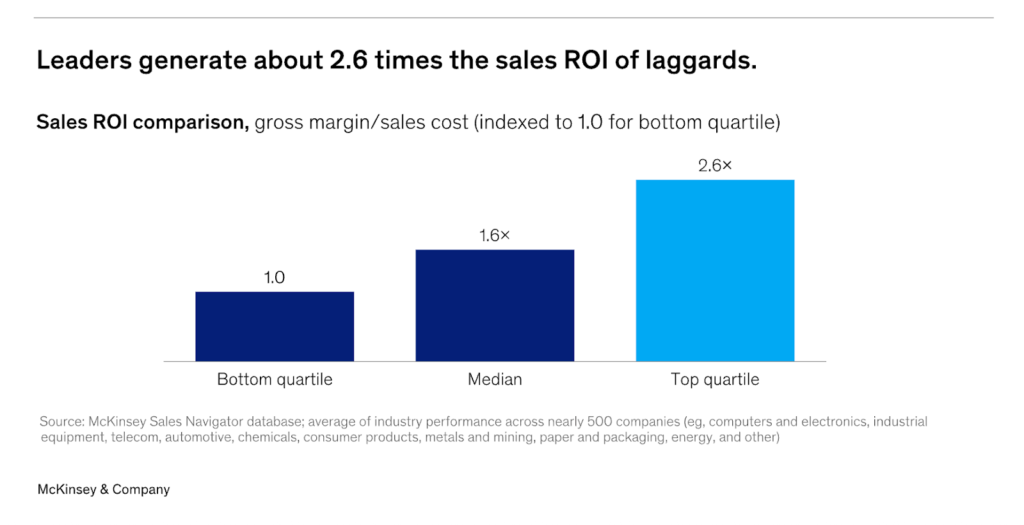
On the flip side, the upside of getting it right is massive. McKinsey research shows that top-quartile sales teams generate 2.6 times more gross margin per sales dollar than bottom-quartile teams. That delta lives or dies on who you recruit.
So, if talent is scarce and impact is huge, the question becomes simple: where do you look, and how do you close?
Active Candidates: Quick Fuel, but Limited Drive
Active candidates are the people refreshing LinkedIn and polishing resumes right now. Think recent grads, employees who just got reorged, or sales reps itching to jump. They are accessible, they move fast, and you can often hire them in weeks, not months. For roles that require volume over nuance – five SDRs, three support reps – this pool keeps the engine running.
But fast fuel comes with a catch. You will sift through a mountain of noise. I routinely see founders lose 40 hours in a single week reviewing resumes that never should have hit the inbox. Even when you find a match, desperation bias creeps in. An active candidate may tell you whatever it takes to land the role because they need a paycheck or they’re running from a bad situation, not because they’re genuinely aligned with your mission.
If your process drags, the problem compounds. 72% of candidates say a smooth interview strongly shapes their decision to accept an offer. When the hiring timeline extends, the best applicants often move on, forcing you to settle for the remaining pool.
Active hiring is still essential. Just treat it for what it is: quick access to a wide market, not a guaranteed path to the people who will 3× your valuation.

Passive Candidates: The Hidden Growth Engine
Now let’s talk about the gold mine most founders ignore. Passive candidates are busy crushing goals at other companies. They are not scrolling job boards, still three out of four employed professionals label themselves passive. Factor in people who would listen if approached respectfully, and most of the workforce is reachable. The group of people looking for jobs actively is much smaller than this hidden talent pool.
Why chase someone who is already happy? Simple. They ramp quicker, they raise the bar for everyone, and they bring fresh playbooks you can’t Google or ask ChatGPT. They also stay longer because they jumped for the right reasons.
When we placed a senior engineer into a pre-Series A startup last year, she shipped a critical feature in six weeks and later mentored three junior hires. That single addition unlocked the revenue metrics the founders needed to close new funding. Try doing that with a random applicant who just lost their job.
Passive pros do not move for free snacks. They move for impact, growth, and alignment. If those boxes are empty, no compensation package will save you. Nail them, and salary becomes a negotiation, not a walk-away point.

The Decision Framework: Active, Passive, or Both?
Smart hiring leaders decide which pool to hunt before they draft a job ad. Start with the business problem, not the vanity title.
If the need is urgent, the role is entry-level, and your processes are dialed in, active talent is the shortest path. You can screen five candidates on Monday and extend offers by Wednesday, but only if you’ve already built an employer brand that attracts high performers who fit your culture, and you have the human power or tools to screen properly and decide fast. Think Nvidia, OpenAI, or Apple. Most early-stage founders don’t have that infrastructure yet.
When the goal is strategic – head of product, senior full-stack, first marketing lead – bet on passive. These roles shape culture and roadmap. Getting them wrong costs millions, not thousands.
Budget also matters. Hiring a passive superstar often costs 10 – 20% more on salary today, still the opportunity cost of not having them is far higher. Run the math: loss of speed, missed market windows, extra hours you spend doing their job. Nine out of 10 times, the premium pays for itself inside the first year.
Most companies need a blended approach. Active channels fill your bench with capable people, but they’re rarely the top 10%. For the playmakers who actually move metrics, you need passive outreach. The key is knowing when to shift tactics.

Build a Process Both Pools Respect
I keep hiring simple: Quality + Speed + Alignment. Overcomplicate any variable and the wheels come off.
Cut the Job Description Fluff
Stop writing novels. Candidates – active or passive – scan for 3 things: the mission, the problem they will own, and how success is measured. Kill paragraphs full of jargon like “self-starter in a fast-paced environment.” Offer clear metrics instead. You’ll attract people who like accountability and repel time-wasters.
Write Outreach That Resonates
A passive director of product has zero interest in your generic “exciting opportunity.” Instead, reference a feature they launched, a talk they gave, or an open-source repo they maintain. Demonstrate 5 minutes of real research. Show how the challenge at your company levels them up. That personal touch is the difference between a cold shoulder and a calendar invite.
Interview Like a Human, Not a Committee
Limit interviews to two live rounds. Put decision-makers in each room. Replace stressful whiteboard puzzles with discussions about real problems your startup faces. When candidates are treated as collaborators, they engage. When they sense bureaucracy, they eject.
Onboard With Intent
A hire is not a hire until they are productive. Data proves it: 77% of new hires who praise their onboarding picture a long-term future at the company, while only 29% do so after a lousy start. Day-one clarity beats day-one swag every time. Give them a roadmap, a buddy, and an early win.
Pay Smart, Not Cheap
If a candidate lights up every metric but wants five grand more, think about opportunity cost first. How much revenue slips while you restart the search? Most founders who hesitate end up paying double in lost time and fractured momentum.

Land Passive Talent in 5 Moves
Let’s drop the theory and get tactical. Here’s how you can pull passive hires out of stealth mode day after day.
1.Craft a magnetic story.
Your mission statement cannot read like a press release. State the problem you solve, why it matters to the world, and how the role changes the trajectory. Keep it so crisp your grandmother could repeat it.
2. Map your network
Instead of blasting “Know anyone?” into a Slack channel, pinpoint three people who already work with your dream profile. Ask for one intro, not a dozen. Give them context so they look smart for making the connection.
3. Send outreach that proves effort.
I once secured a conversation with a top fintech engineer by starting with a single sentence: “Your blog post on distributed ledgers killed my weekend because I couldn’t stop reading.” Authentic praise makes people curious. Curiosity opens doors.
4. Design a friction-free interview.
Host one call focused on cultural fit and one focused on technical depth. Share your decision window upfront – “We’ll have an offer in your hands inside 7 days.” Confidence breeds trust.
5. Close on alignment.
Walk them through the impact they will own, the autonomy they will have, and the upside they can earn. When those points hit home, negotiations over comp become math, and not emotion.
If you follow these steps, you will watch passive candidates sell themselves on joining your mission.

Common Hiring Mistakes
Founders frequently fall into the same traps, so let’s quickly eliminate them before they cause problems.
The first trap is the myth of “hire slow, fire fast.” Slow hiring doesn’t protect you. It signals indecision and creates space for competitors to steal talent. Decide what great looks like, run a disciplined process, and move.
Second, watch out for the ‘Franken-job’ trap. Stuffing three roles into one description tells the market you haven’t thought through priorities. Passive stars see chaos and walk. Strip the role to essential outcomes, then build.
Third, kill marathon interview loops. If you need seven opinions, the real issue is a lack of interview training, not a need for more data. Two opinions from empowered leaders beat seven from observers.
Fourth, remember values matter. 77% of workers weigh a company’s mission and values when picking an employer. If your public face contradicts your internal reality, word spreads. Authenticity closes. Hype repels.
Lastly, never ignore career development. The same research shows 77% of companies lose people because they fail to provide growth. Build a ladder before someone asks for it.

Final Thoughts: Make Hiring Simple Again
Hiring is not rocket science. It is clarity plus courage. Know who drives your mission forward. Engage them with honesty and speed. Onboard them so they thrive, not stumble.
Every day you hesitate, another startup secures the people who could have scaled your product and doubled your valuation. Don’t let that happen. If you need a partner obsessed with solving this hiring challenge so you can focus on building your product, my Linkus Group team is ready.
FAQs
How does recruiting active vs. passive candidates impact my startup’s diversity initiatives?
Relying solely on active applicants limits you to whoever happens to apply, often resulting in homogenous talent pools. Proactive sourcing allows you to intentionally target underrepresented groups. Since 75% of employed professionals are passive, ignoring this segment significantly restricts your ability to build a diverse, high-performing team.
Is the cost of recruiting active vs. passive candidates significantly different for SMBs?
Yes. Active recruiting has lower upfront costs (job board fees), while passive sourcing requires time-intensive research or agency premiums. However, the long-term ROI favors passive hires for strategic roles. Top performers drive revenue, whereas bad hires drain resources. Investing in the right search prevents costly turnover later.
Should I use an agency when recruiting active vs. passive candidates?
For active roles, internal teams can often manage inbound applications. However, engaging passive talent requires specialized headhunting skills and dedicated time that founders often lack. Agencies act as a force multiplier, leveraging extensive networks to reach the workforce that is accessible but not actively applying.
How does employer branding influence recruiting active vs. passive candidates differently?
Active seekers look for stability and benefits, while passive candidates need a compelling vision to leave their current security. Your brand must articulate purpose. Data shows 77% of workers weigh a company’s values and mission heavily, making your narrative crucial for persuading thriving professionals to jump ship.
What response rates should I expect when recruiting active vs. passive candidates?
Active candidates are 100% responsive as they initiated contact. For passive outreach, a 20–30% response rate is excellent. To boost this, personalize your message deeply. Generic templates fail because high-quality talent ignores noise. You must sell the specific problem they will solve, not just the job title.
Do I need to adjust my interview style when recruiting active vs. passive candidates?
Absolutely. Active candidates often try to “pass” the interview, while passive candidates evaluate *you*. Shift from interrogation to conversation. Focus on mutual alignment and career growth. Since 72% of candidates say smooth interviews influence their decision, a respectful, peer-to-peer dialogue is essential for closing passive talent.
Which group has better retention rates: recruiting active vs. passive candidates?
Passive candidates generally demonstrate higher retention. They change jobs for career advancement and specific challenges, not out of desperation or to escape a bad boss. Because 77% of companies lose employees due to lack of development, ensuring alignment on growth trajectories during the hiring process locks in loyalty early.
What is the realistic timeline difference for recruiting active vs. passive candidates?
Active hiring is faster initially, often taking 1–4 weeks if applicants are qualified. Passive recruiting is a longer game, typically 3–8 weeks, due to the courting process. However, rushing to hire an active candidate who isn’t a perfect fit often leads to replacement costs that outweigh the time invested in a strategic passive search.
How do offer acceptance rates vary when recruiting active vs. passive candidates?
Active candidates are more likely to accept quickly but may shop offers. Passive candidates are harder to close as they have a safety net. With industry benchmarks showing offer acceptance rates around 81%, you must ensure compensation and role scope are perfectly aligned before the final stage to avoid a late-stage rejection.
What tools are essential for recruiting active vs. passive candidates effectively?
For active candidates, an Applicant Tracking System (ATS) and job boards suffice. For passive talent, you need tools like LinkedIn Recruiter, GitHub, or specialized agency databases. Success in recruiting active vs. passive candidates depends on using the right tech stack: automation for volume (active) and relationship management tools for targeted headhunting (passive).